

Teaching High-Frequency Words: What Actually Helps Students Remember Them
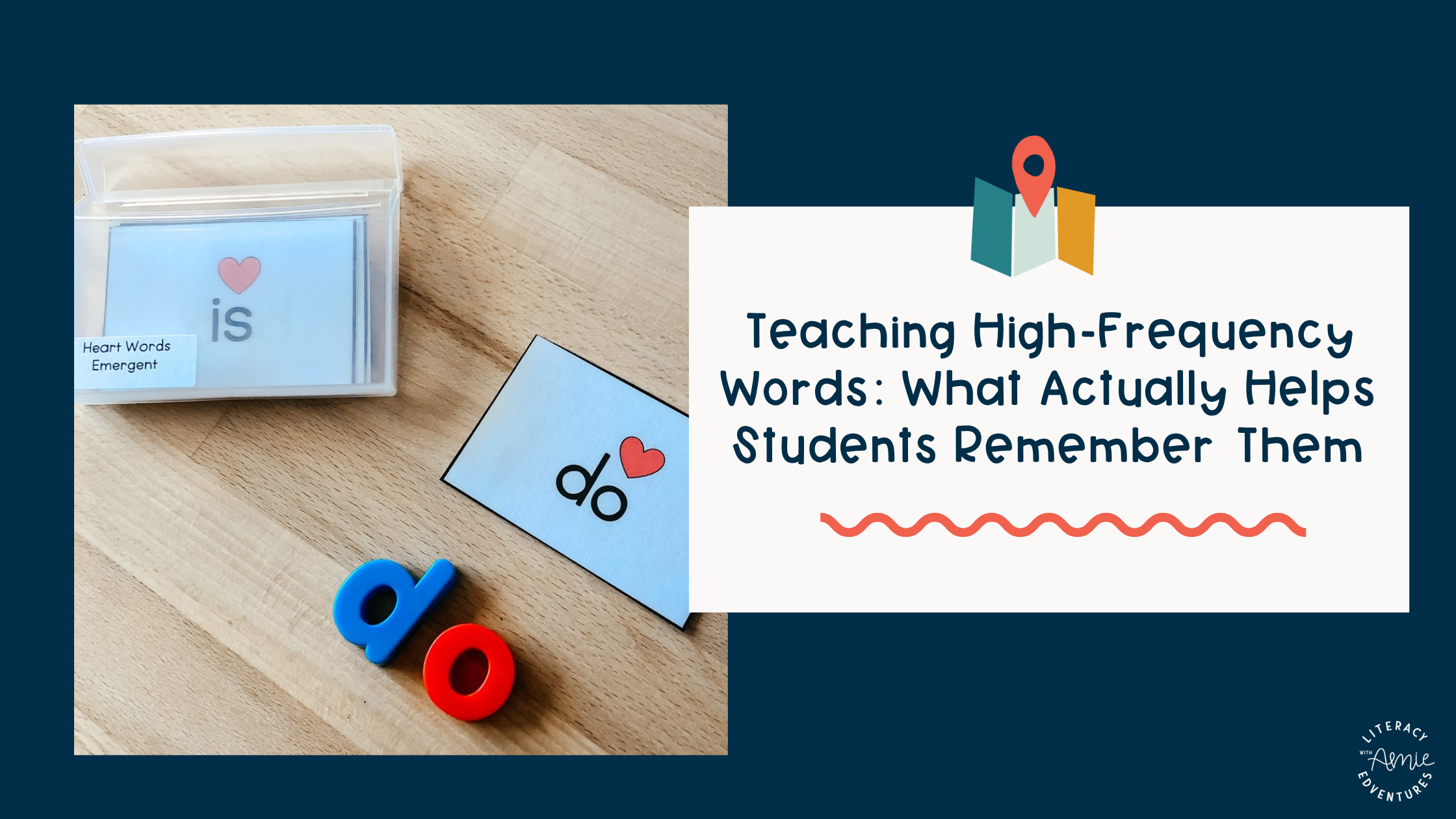
When it comes to teaching high-frequency words, most of us were taught to rely on memorization. Flashcards, word walls, repeated exposure—we’ve all done it.
And for some students, it works… for a little while.
But if you’ve ever had a student read a word correctly one day and completely miss it the next, you’ve seen the problem firsthand. The issue isn’t effort. It’s not practice. It’s that the word was never fully learned in a way that allows it to stick.
High-frequency words are not stored in memory as visual shapes. They are stored through a process called orthographic mapping—where students connect the sounds in a word to the letters that represent those sounds and anchor that connection in long-term memory.
Once you understand that, it changes how you approach everything.
What the Research Actually Tells Us
For years, sight words were treated as something separate from phonics instruction. Something students just needed to recognize automatically. But research has made it clear that automatic word recognition is not the result of memorization—it is the result of mapping.
Linnea Ehri’s work shows that students learn words by connecting phonemes to graphemes, not by memorizing whole words visually. David Share’s research further explains that each time students decode a word, they are building a mental store of word patterns that supports future recognition.
In other words, every time a student works through a word—hearing the sounds, connecting them to letters, and repeating that process—they are strengthening their ability to recognize that word instantly in the future.
That’s what makes a word stick.
Why Memorization Falls Apart
Memorization often creates the illusion of learning. A student may be able to read a word in isolation or recall it during a quick drill, but that knowledge is fragile. Without sound-to-letter connections, the word hasn’t been anchored in long-term memory.
So when students encounter that same word in connected text, or try to use it in writing, it falls apart.
This is why we see students guess, hesitate, or substitute words that “look similar.” They are relying on visual cues instead of a stored, mapped word.
The goal isn’t for students to recognize a word in the moment. The goal is for them to retrieve it automatically, without effort. And that only happens when the word has been fully mapped.
What Effective Instruction Looks Like
Everything starts with how the word is introduced.
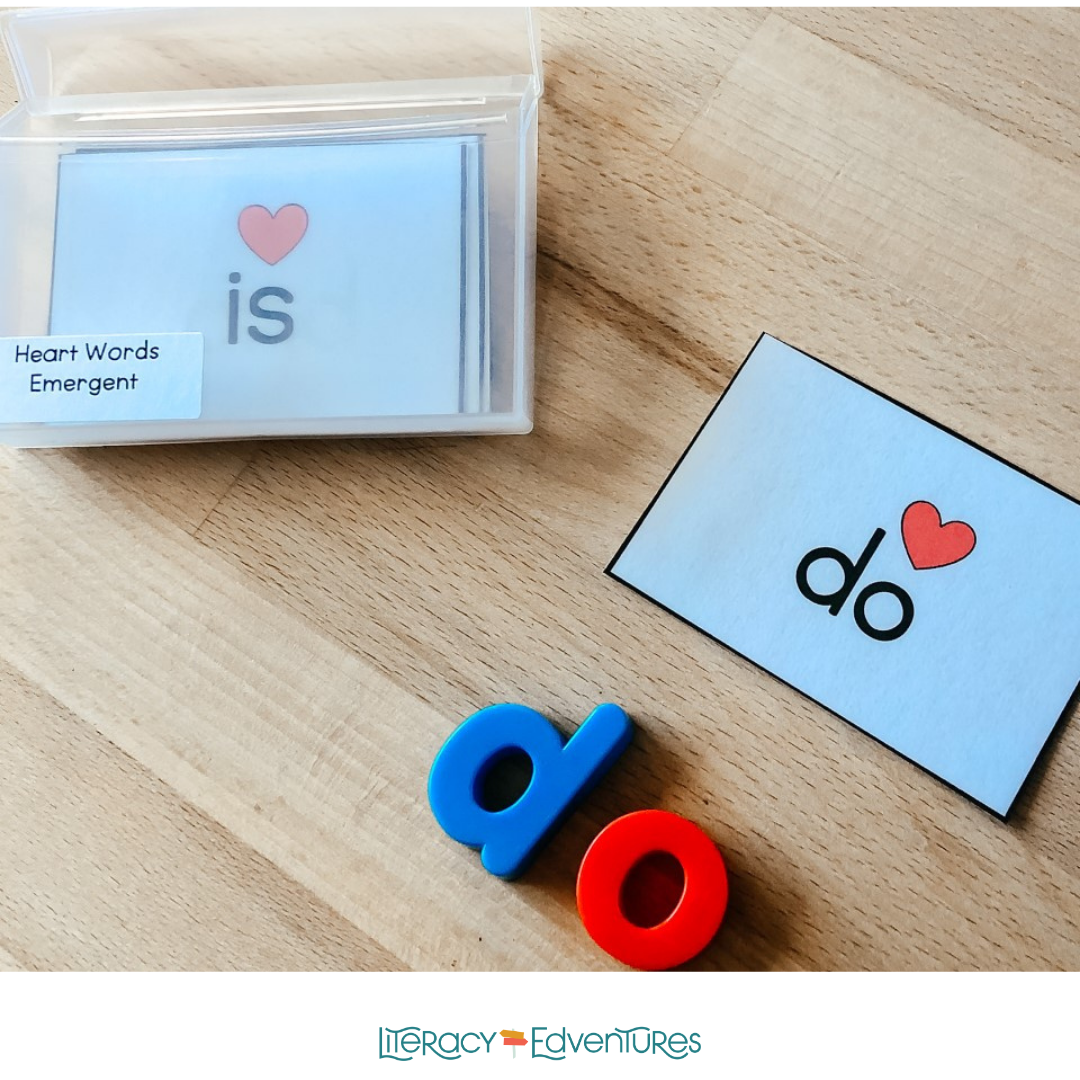
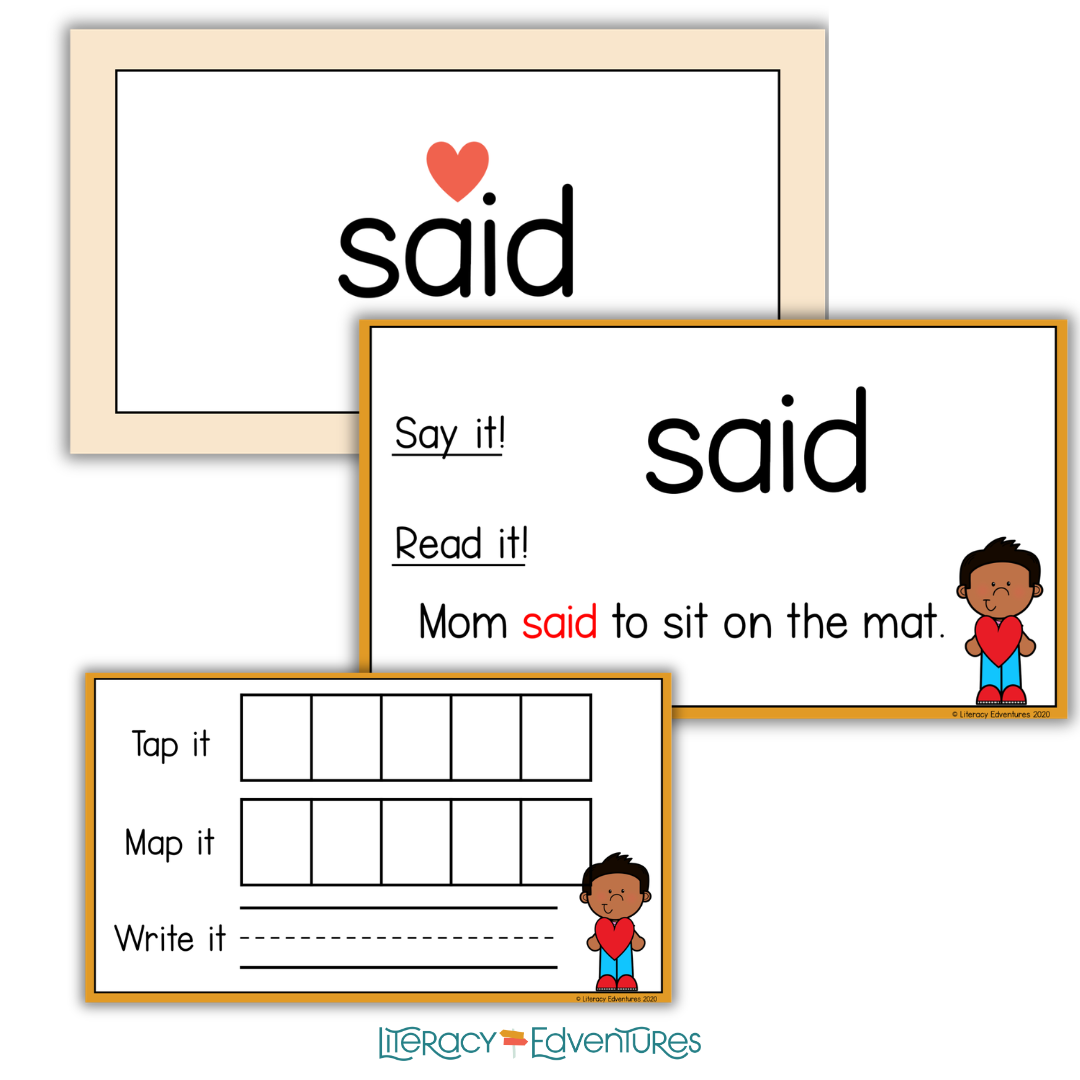
When teaching a word like said, the focus should be on helping students hear and connect the sounds to the letters. Students segment the word, map each sound, and then identify the part that doesn’t follow the expected pattern. That irregular portion becomes the “heart” part—the part they need to remember.
This is the work that allows the word to be stored.
But mapping the word once is not enough.
Students need repeated opportunities to revisit that word in a way that reinforces the same process. Not just seeing it again, but actively working with it.
Breaking Down the Routines That Make This Work
Once students have learned how to map a word, identify the irregular part, and read and spell it, the goal shifts. We’re no longer introducing the word—we’re strengthening it.
Students need repeated, intentional opportunities to revisit the word in ways that reinforce how it works, not just what it looks like.
The difference comes down to what students are doing. If they’re just copying a word, very little learning is happening. They may get faster, but they’re not strengthening the connections needed for long-term retention.
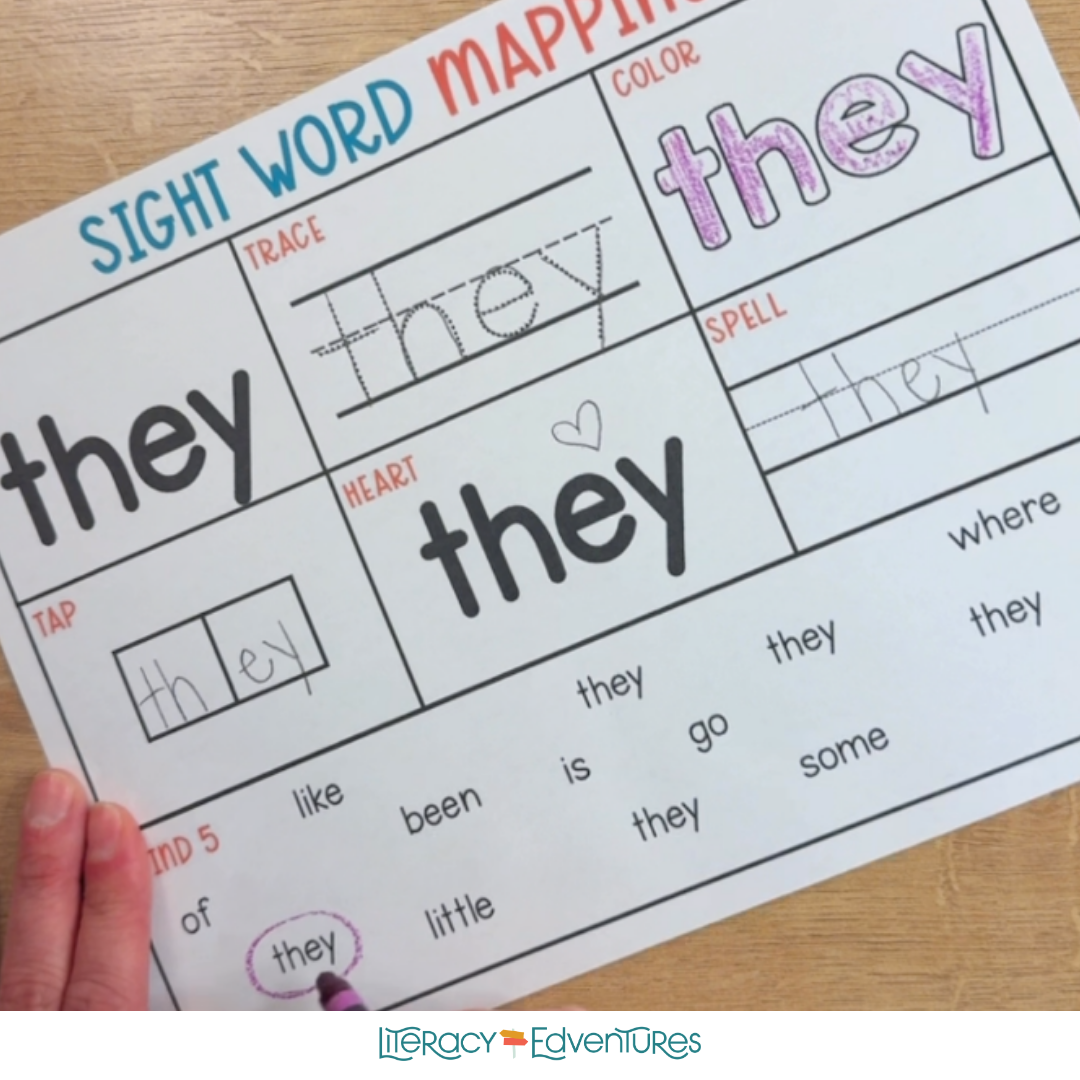
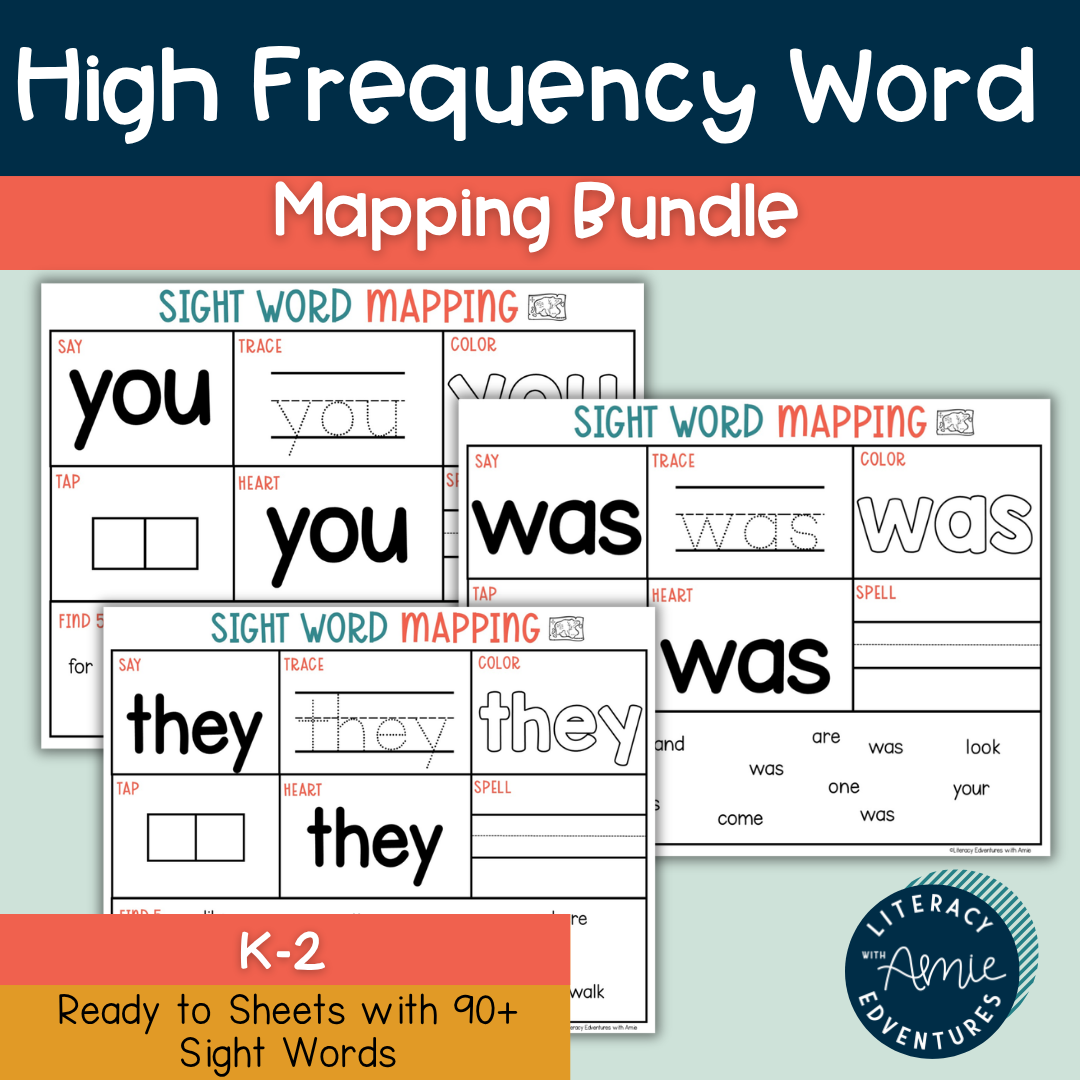
A well-designed mapping page reinforces the learning process. When students say the word, trace it, tap the sounds, identify the part they need to hold onto, and then apply it, they’re revisiting the word in multiple ways. Each step brings them back to the sound-to-letter connections that anchor the word in memory. This kind of practice is especially important after the initial lesson. It gives students another opportunity to slow down and truly process the word.
It also creates consistency. When students know the structure, they can focus less on what to do and more on the word itself. That’s what makes it effective. It’s not replacing instruction—it’s reinforcing it.
Shake, Rattle, Drop: Rebuilding the Word
Shake, Rattle, Drop is one of those routines that looks playful on the surface, but it’s doing really important work underneath.
When students shake the letters, drop them, and rebuild the word, they are not just practicing spelling. They are reconstructing the word from its individual sounds. Each time they pick up a letter and place it, they are reconnecting the phoneme to the grapheme and reinforcing the sequence of the word.
That sequencing piece matters more than we sometimes realize. Many of our students can recognize a word when they see it, but struggle to produce it when writing. This routine strengthens that connection because it requires them to build the word from the ground up.
It’s especially powerful for words that are partially irregular. Students can focus on what they know, while still anchoring the part they need to remember.
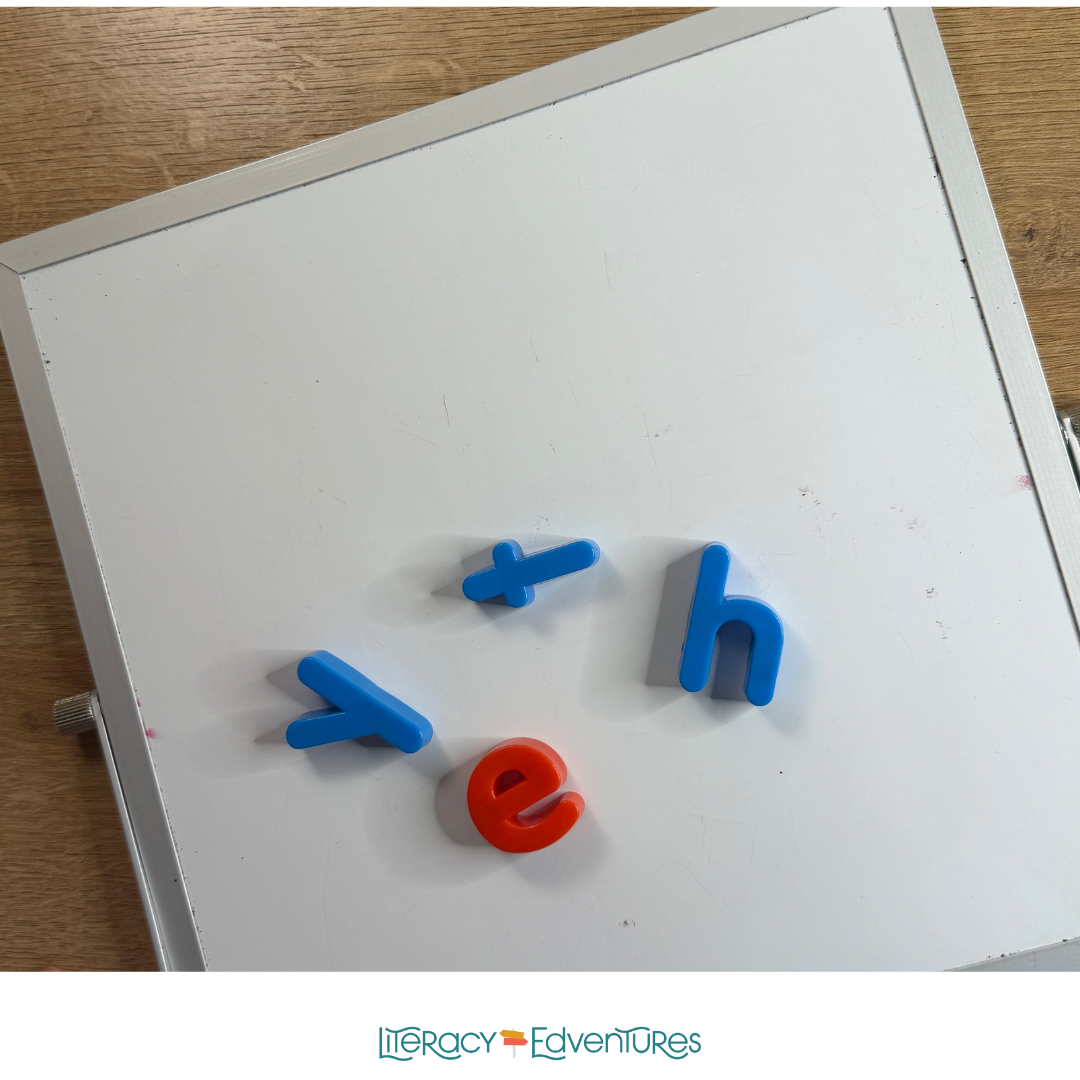
Mystery Word: Analyzing What’s Missing
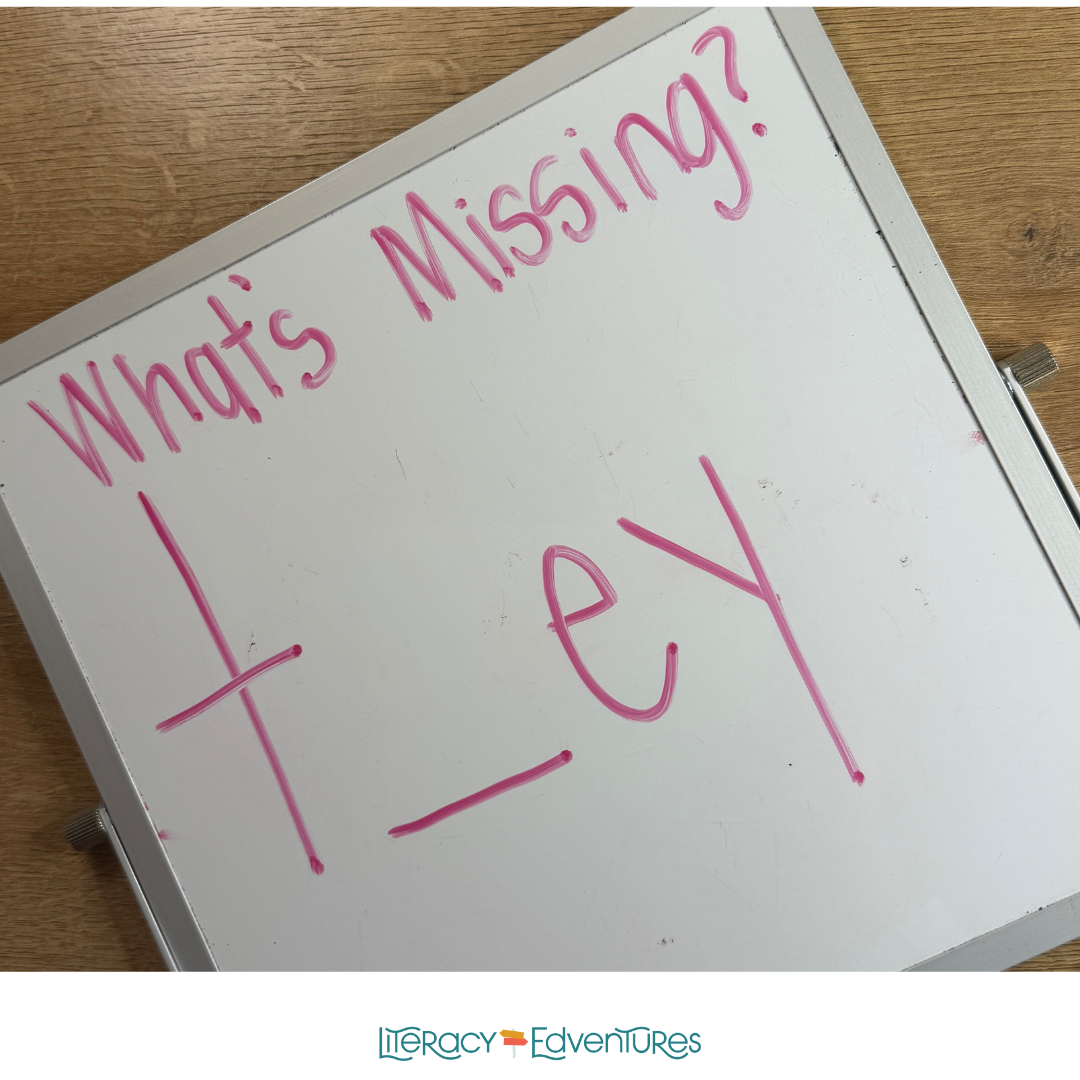
Mystery Word shifts students out of recognition and into analysis.
Instead of seeing the full word, they are given part of it and asked to determine what’s missing. That small shift changes the level of thinking completely. Students can no longer rely on familiarity—they have to think about the sounds in the word and how those sounds are represented.
This is where you start to see whether students truly understand the structure of the word. Can they identify the missing vowel? Do they understand how the sounds come together? Can they reconstruct the word without seeing it fully?
That level of attention to detail is what allows words to transfer. It supports both reading and spelling because students are no longer dependent on visual memory—they understand how the word works.
Beat the Teacher: Building Automaticity
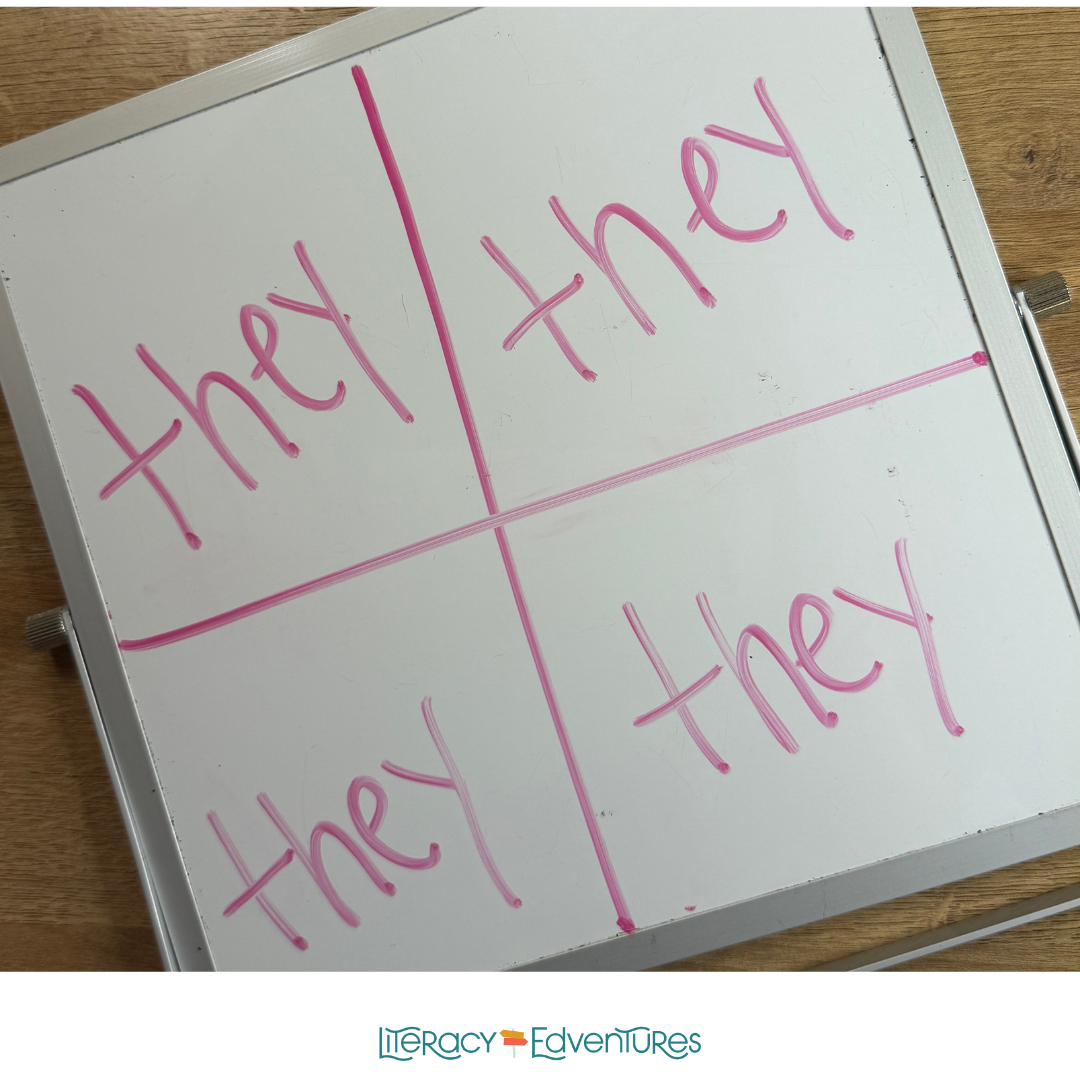
Once students understand a word, the next step is helping them access it quickly.
That’s where Beat the Teacher comes in.
This routine focuses on retrieval. Students hear the word and write it as quickly as they can, often repeating it multiple times. That repetition isn’t just for practice—it’s strengthening their ability to pull the word from memory without hesitation.
Fluency depends on this. When students have to stop and think about high-frequency words, it slows down everything else. But when those words are automatic, their attention can shift to meaning.
There’s also something important about the energy of this routine. It creates urgency without pressure, which increases engagement while still keeping the focus on accuracy. Students are motivated to be both fast and correct, which is exactly what we want.
Why These Routines Work Together
Each of these routines targets a different part of the learning process.
Shake, Rattle, Drop reinforces how the word is built.
Mystery Word strengthens how the word is analyzed.
Beat the Teacher builds how the word is retrieved.
When students experience all three, they are not just seeing the word more often—they are interacting with it in multiple ways. That’s what moves learning from short-term exposure to long-term retention.
Bringing It All Together
At the end of the day, this doesn’t have to be complicated.
A small set of words, a clear routine, and consistent practice can go a long way. When students are given the chance to work with words in meaningful ways—building them, analyzing them, and coming back to them over time—that’s when you start to see things click.
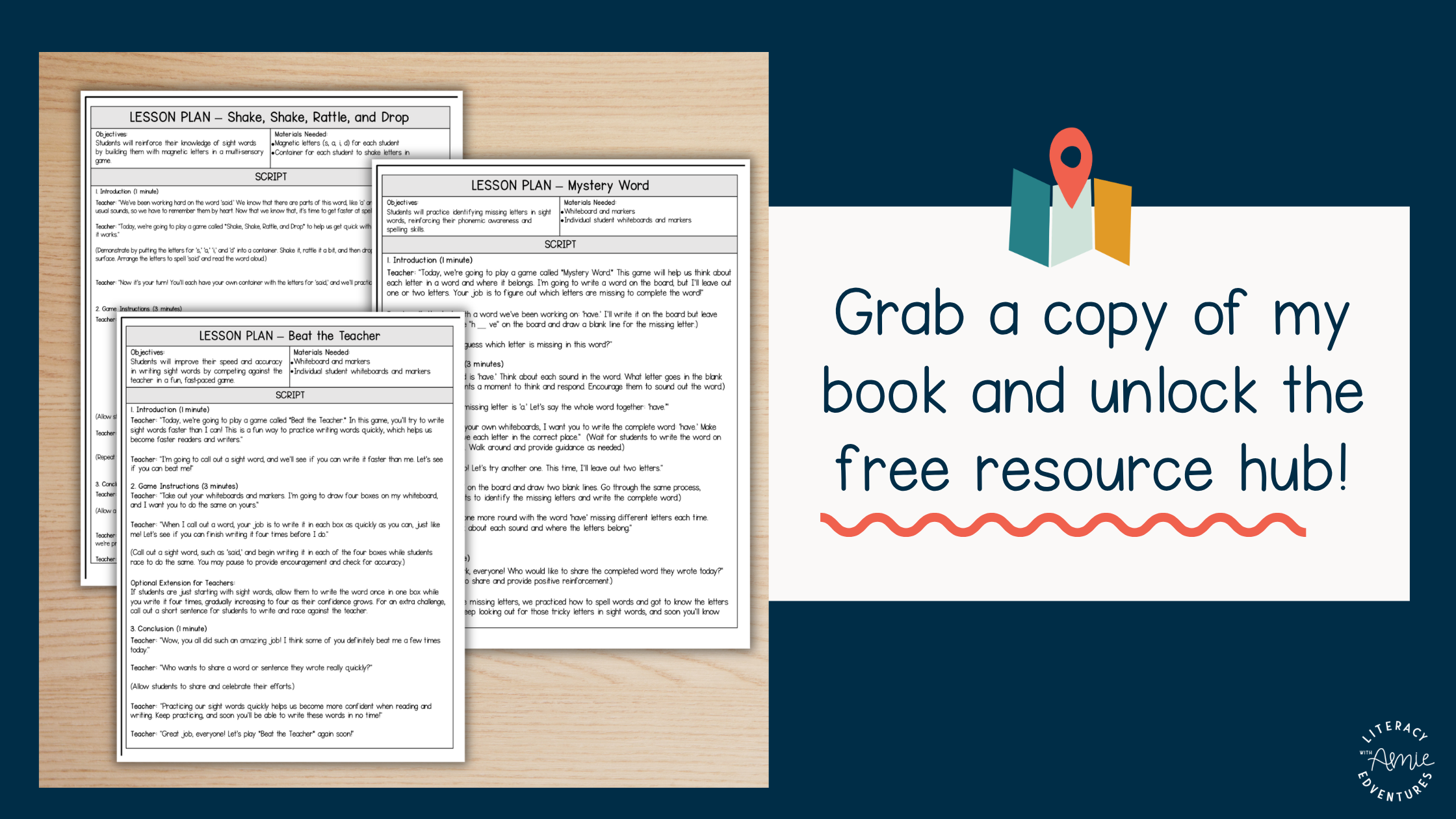
If you’re looking for ready-to-use routines and mapping pages like the ones shared here, I’ve included all of these inside a printable resource hub. It’s designed to make this work simple and consistent, especially during the busiest parts of the year.
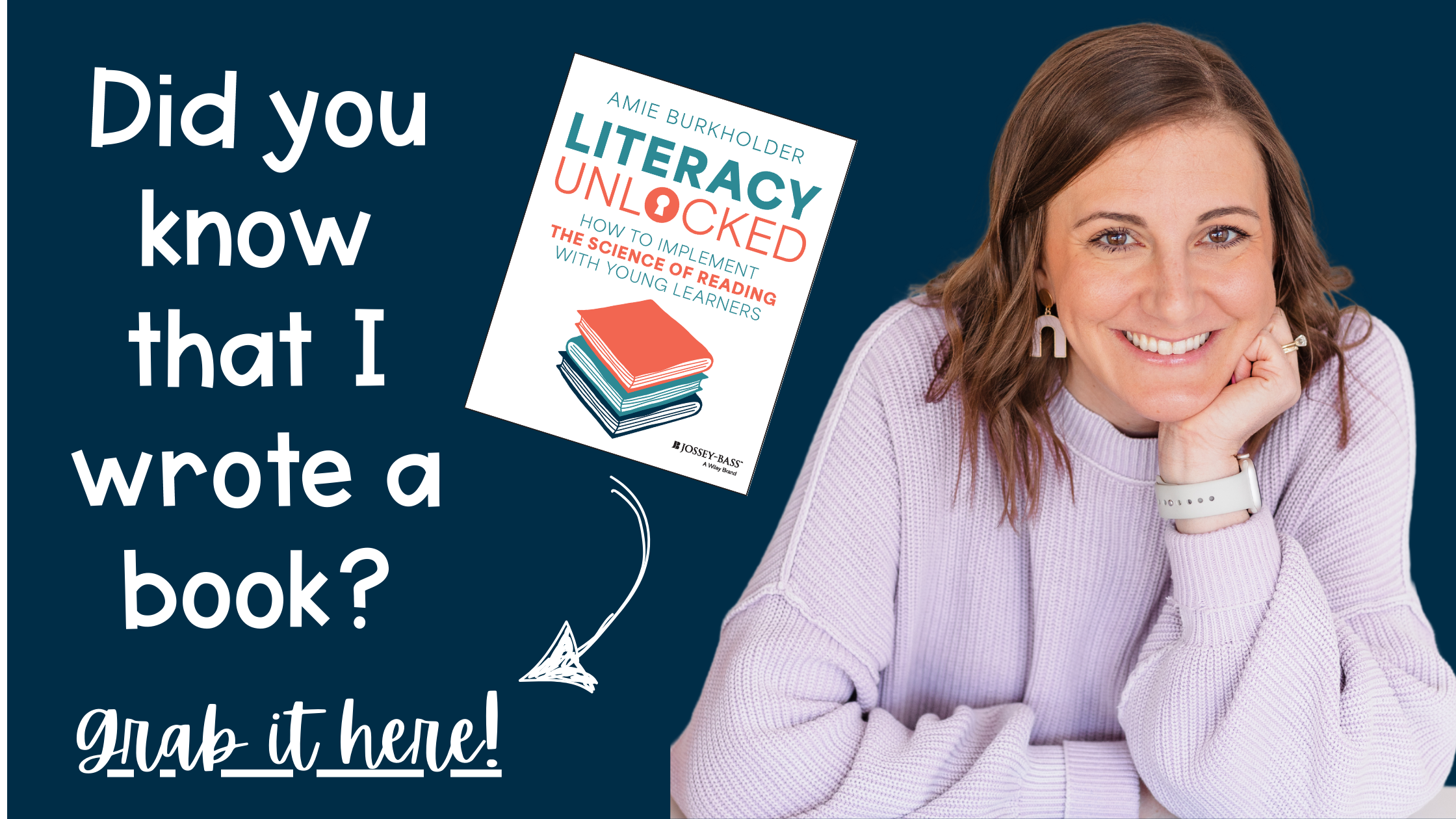
The best part is that the hub comes free with the purchase of my book, so you have everything you need in one place to put this into practice right away.
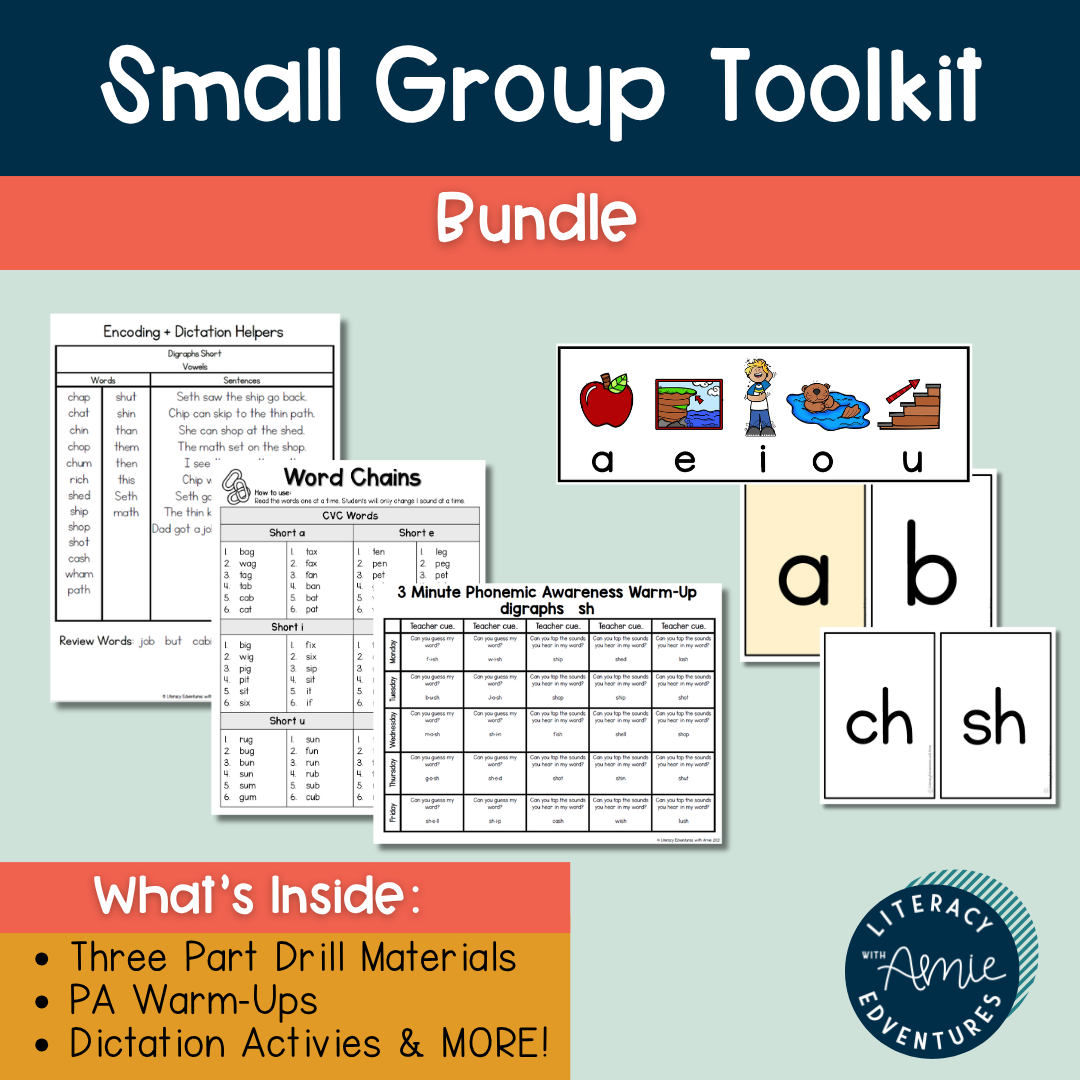
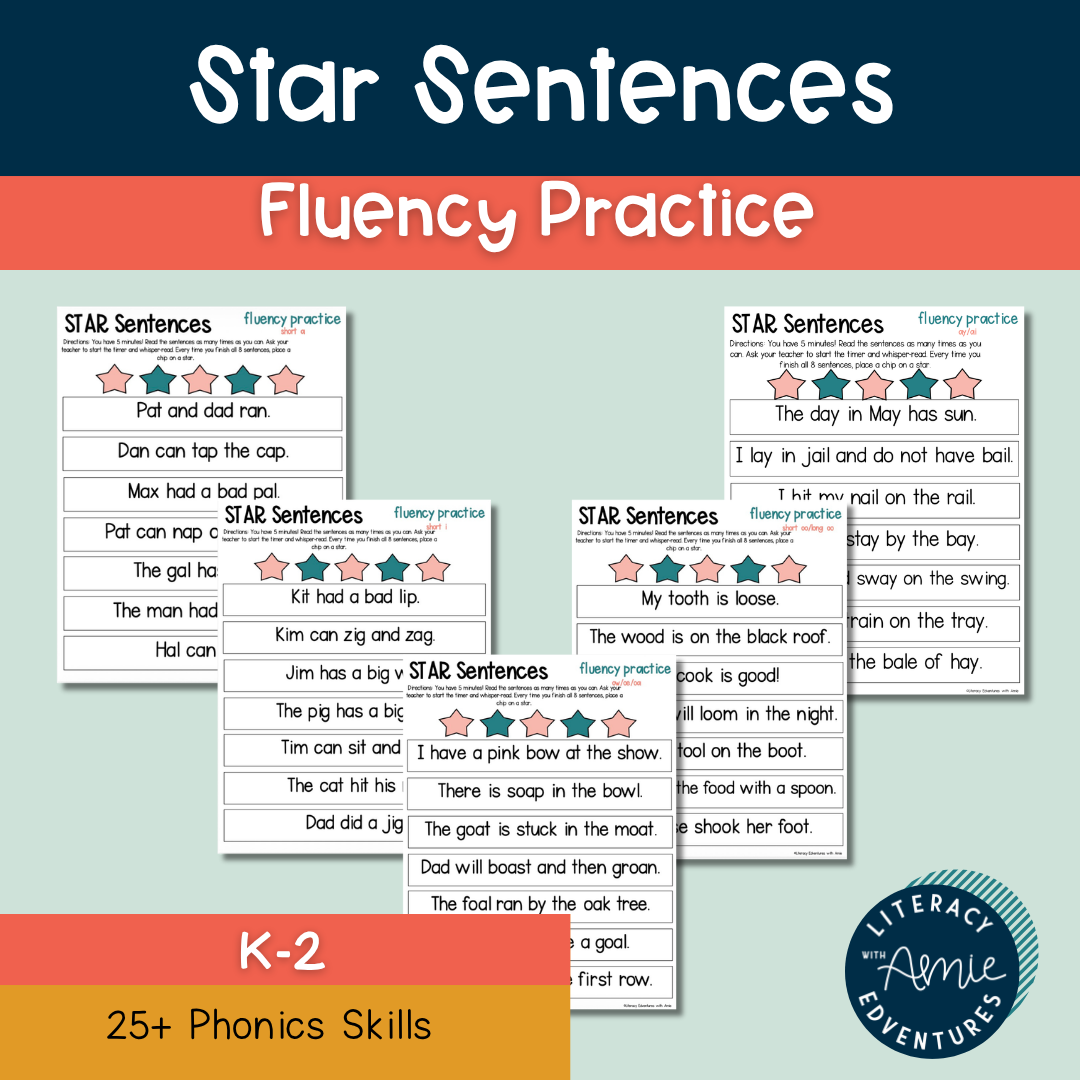

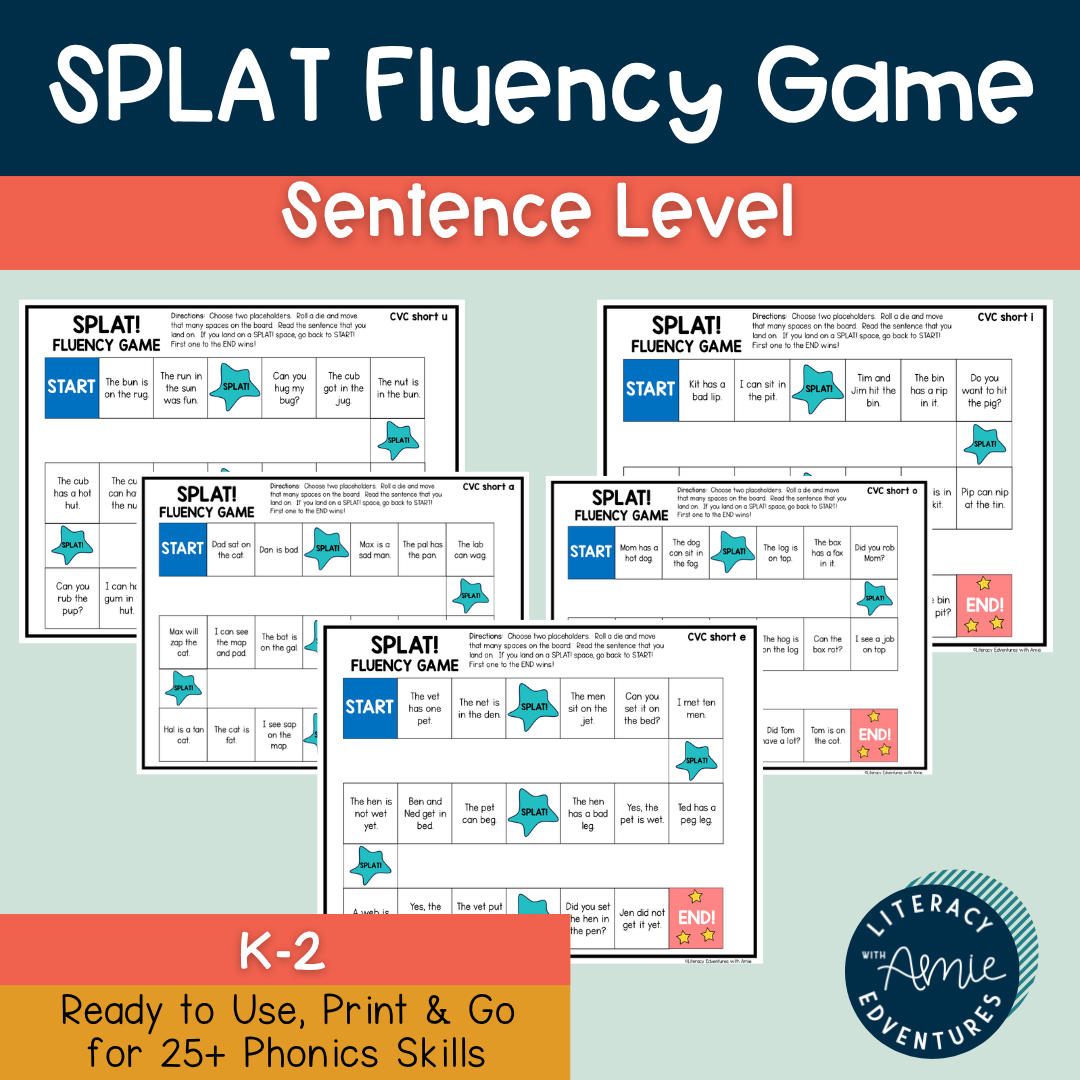

Stop just practicing fluency. Start teaching it!
Looking for a way to make fluency instruction more intentional without adding hours to your planning? These ready-to-use reading fluency passages are designed to help students build accuracy, automaticity, expression, and comprehension through a simple, consistent five-day routine.
Perfect for students who have developed foundational decoding skills and are ready to tackle more complex connected text, these informational passages provide meaningful opportunities to apply reading skills while building vocabulary and background knowledge.
And the best part? You're getting more than just passages!
What's Included?
11 Informational Reading Passages featuring engaging science and social studies topics.
44 Comprehension Questions targeting vocabulary, key details, main idea, and inferencing.
5-Day Fluency Lesson Plan incorporating explicit word work, teacher modeling, supported reading, repeated reading, sentence unpacking, and progress monitoring.
A Repeatable Instructional Routine you can use with other appropriately selected texts throughout the school year.
Why You'll Love It
No more handing students a passage and simply asking them to read it again! This resource helps you make repeated reading purposeful by combining explicit instruction, meaningful practice, and comprehension.
Use these passages during small-group instruction, targeted fluency lessons, or intervention with students who are ready for this level of text.
Whether you're working on accuracy, automaticity, phrasing, or expression, the routine provides a consistent structure while allowing you to adjust instruction based on student needs.
Less planning. More purposeful practice. More confident readers.
Grab your fluency passages and start building stronger readers today!